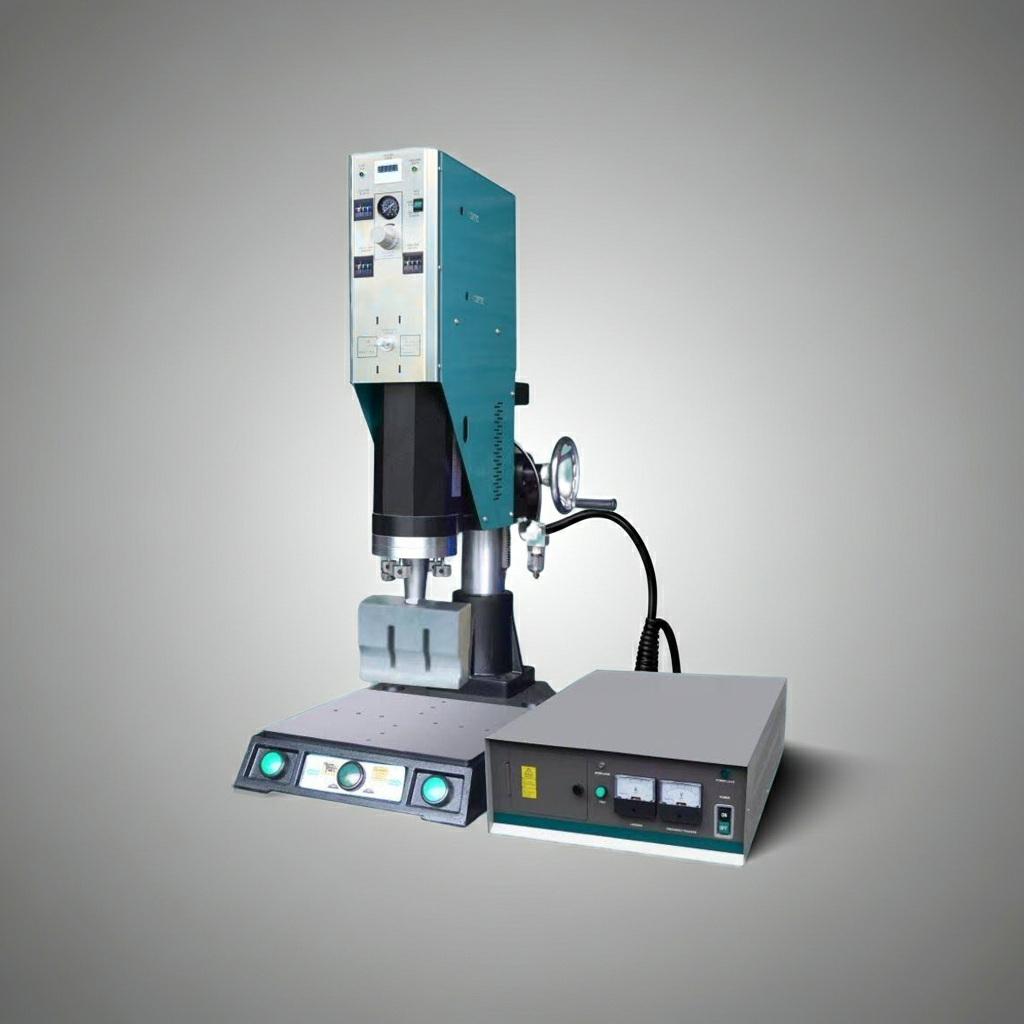
The automotive industry demands high-quality, lightweight, and cost-effective manufacturing solutions. An ultrasonic plastic welding machine plays a critical role in meeting these requirements by enabling fast, reliable, and clean joining of thermoplastic components. As vehicles become more advanced and lightweight, ultrasonic welding has become a preferred joining technology for many automotive applications.
Why the Automotive Industry Uses Ultrasonic Plastic Welding
Automotive manufacturers rely on ultrasonic plastic welding due to its ability to produce strong and repeatable joints without adding extra weight or materials. The process supports high-volume production while maintaining strict quality standards.
Key reasons include:
- Short welding cycle time
- Consistent weld strength
- Compatibility with automation
- No adhesives or fasteners
Interior Automotive Components
Ultrasonic plastic welding machines are widely used to assemble interior parts where appearance and durability are critical.
Common interior applications include:
- Dashboard components
- Instrument panel housings
- Door trim panels
- Air vent assemblies
- Center console parts
The clean weld finish ensures minimal visible marks on interior surfaces.
Automotive Electronic Housings
Modern vehicles contain numerous electronic control units that require secure and sealed plastic enclosures.
Ultrasonic plastic welding is used for:
- ECU housings
- Sensor enclosures
- Control module covers
- Switch and relay housings
The process provides excellent sealing and protects electronics from dust, moisture, and vibration.
Automotive Sensor and Safety Systems
Sensors and safety components require precision and reliability. Ultrasonic plastic welding allows accurate joining without damaging sensitive internal components.
Typical applications include:
- Airbag sensor housings
- Parking and proximity sensors
- ABS sensor components
- Camera and radar module housings
Automotive Lighting Systems
Ultrasonic welding is commonly used in automotive lighting due to its ability to create airtight and watertight seals.
Applications include:
- Headlamp housings
- Tail light assemblies
- Indicator light components
- LED lighting modules
The strong welds improve durability and resistance to environmental conditions.
Under-the-Hood Applications
Ultrasonic plastic welding machines are also used for selected under-the-hood components where vibration resistance and strength are essential.
Examples include:
- Fluid reservoirs
- Filter housings
- Cable and connector housings
Compatible thermoplastics ensure long-term performance in demanding environments.
Lightweight Vehicle Manufacturing
Weight reduction is a major focus in automotive design. Ultrasonic plastic welding supports lightweight construction by eliminating metal fasteners and adhesives.
Benefits include:
- Reduced component weight
- Improved fuel efficiency
- Simplified assembly
Automation and High-Volume Production
Automotive manufacturing relies heavily on automation. Ultrasonic plastic welding machines are easily integrated into robotic assembly lines, supporting high-speed and repeatable production.
This improves:
- Production consistency
- Quality control
- Cost efficiency
Quality and Safety Compliance
Ultrasonic plastic welding helps automotive manufacturers meet industry quality and safety standards by delivering consistent and verifiable weld strength.
The process supports:
- Leak-proof assemblies
- Vibration-resistant joints
- Long-term durability
Conclusion
The ultrasonic plastic welding machine has become an essential tool in the automotive industry due to its speed, precision, and reliability. From interior components and electronic housings to lighting and sensor systems, ultrasonic welding enables manufacturers to produce high-quality, lightweight, and durable automotive parts while supporting automation and cost efficiency.
Frequently Asked Questions (FAQ)
Why is ultrasonic plastic welding preferred in automotive manufacturing
It provides fast cycle times, strong welds, lightweight assemblies, and easy automation, which are critical for automotive production.
What automotive parts are commonly welded using ultrasonic plastic welding
Interior trims, electronic housings, sensors, lighting components, and selected under-the-hood parts are commonly welded.
Can ultrasonic plastic welding create watertight seals
Yes, ultrasonic welding can produce airtight and watertight seals, especially for lighting and electronic housings.
Is ultrasonic plastic welding suitable for high-volume automotive production
Yes, it is highly suitable due to its short cycle time and compatibility with automated production lines.
Does ultrasonic welding damage sensitive electronic components
No, when properly controlled, ultrasonic welding does not damage internal electronic components.