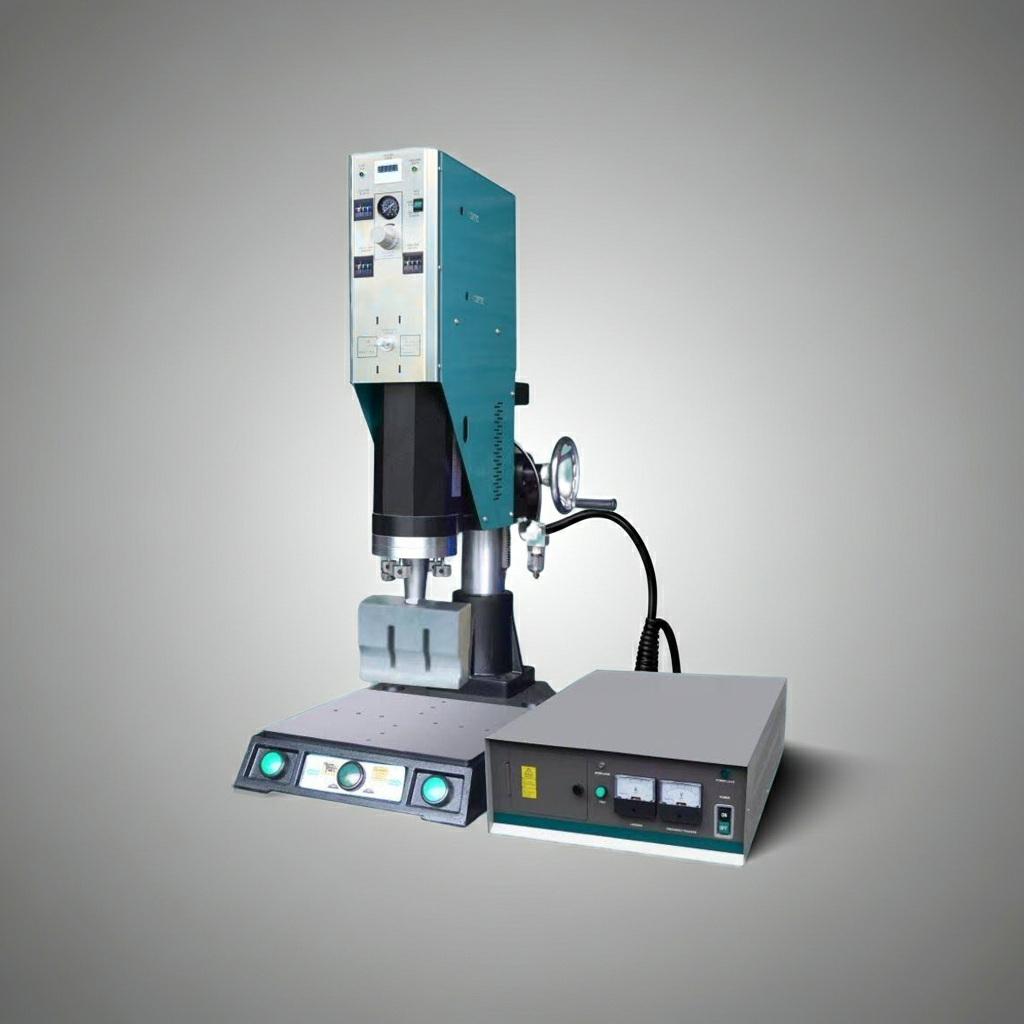
Amplitude is one of the most critical parameters in an ultrasonic plastic welding machine. It directly influences heat generation, material flow, and weld strength. Proper amplitude control ensures consistent weld quality, while incorrect settings can lead to weak joints, excessive flash, or part damage.
This article explains what amplitude is, how it is controlled, and why it plays a vital role in ultrasonic plastic welding.
What Is Amplitude in Ultrasonic Plastic Welding
Amplitude refers to the peak-to-peak displacement of the ultrasonic horn during vibration. It is typically measured in microns and determines how much mechanical energy is transferred from the horn to the plastic parts.
Higher amplitude results in greater vibration movement, generating more heat at the joint interface. Lower amplitude produces less heat and a gentler welding action.
Why Amplitude Control Is Important
Amplitude directly affects:
- Heat generation at the weld interface
- Plastic melting behavior
- Weld strength and consistency
- Surface appearance of the welded part
Maintaining optimal amplitude is essential for stable and repeatable welding results.
Relationship Between Amplitude and Weld Quality
The weld quality achieved by an ultrasonic plastic welding machine depends heavily on proper amplitude selection.
- Low amplitude may result in incomplete melting and weak welds
- Excessively high amplitude can cause material degradation, flash, or part deformation
A balanced amplitude setting ensures sufficient melting without damaging the plastic components.
Factors That Influence Amplitude Selection
Several factors determine the appropriate amplitude level:
- Type of thermoplastic material
- Joint design and energy director geometry
- Part thickness
- Welding frequency (20 kHz, 30 kHz, 35 kHz, 40 kHz)
- Desired weld strength and appearance
Engineering plastics typically require higher amplitude than softer plastics.
Methods of Amplitude Control
Modern ultrasonic plastic welding machines offer advanced amplitude control methods, including:
- Fixed amplitude control
- Step amplitude control
- Programmable amplitude profiles
- Closed-loop amplitude monitoring
These controls help maintain consistent vibration levels throughout the welding cycle.
Amplitude Control and Welding Frequency
Amplitude requirements vary with frequency:
- Lower frequencies allow higher amplitude and are suitable for larger parts
- Higher frequencies use lower amplitude and are ideal for small or delicate components
Selecting the correct combination of frequency and amplitude is critical for optimal results.
Common Problems Caused by Incorrect Amplitude
Improper amplitude settings can lead to:
- Weak or incomplete welds
- Excessive flash formation
- Surface marks or whitening
- Cracking or part damage
- Inconsistent weld strength
These issues can often be resolved by fine-tuning amplitude settings.
Optimizing Amplitude for Different Plastics
Each plastic material responds differently to ultrasonic energy. For example:
- ABS and polycarbonate typically require moderate amplitude
- Polypropylene often needs higher amplitude due to its lower stiffness
- Glass-filled plastics may require careful control to avoid tool wear
Material testing is recommended before finalizing amplitude values.
Role of Amplitude in Process Stability
Stable amplitude control ensures repeatable energy delivery during each weld cycle. This improves:
- Process repeatability
- Quality consistency
- Reduced scrap rate
- Improved production efficiency
Advanced machines continuously monitor and adjust amplitude during welding.
Conclusion
Amplitude control is a key factor in achieving high-quality welds with an ultrasonic plastic welding machine. By understanding how amplitude influences heat generation, material behavior, and weld strength, manufacturers can optimize their welding processes for consistent and reliable results. Proper amplitude selection and control are essential for efficient and defect-free plastic welding.
Frequently Asked Questions (FAQ)
What is the role of amplitude in ultrasonic plastic welding
Amplitude determines the vibration movement of the horn and directly affects heat generation and weld quality.
Can higher amplitude always improve weld strength
No, excessive amplitude can damage plastic parts and cause defects. Optimal amplitude depends on material and joint design.
How is amplitude controlled in modern ultrasonic welding machines
Amplitude is controlled through digital generators using fixed, stepped, or programmable profiles with real-time monitoring.
Does welding frequency affect amplitude settings
Yes, higher frequencies require lower amplitude, while lower frequencies allow higher amplitude levels.
How can amplitude-related welding defects be corrected
Defects can often be corrected by adjusting amplitude, reviewing joint design, or optimizing other welding parameters such as pressure and time.